
It Doesn't Begin With Systems Thinking
Ask a student what systems thinking means and you'll probably get a blank stare.
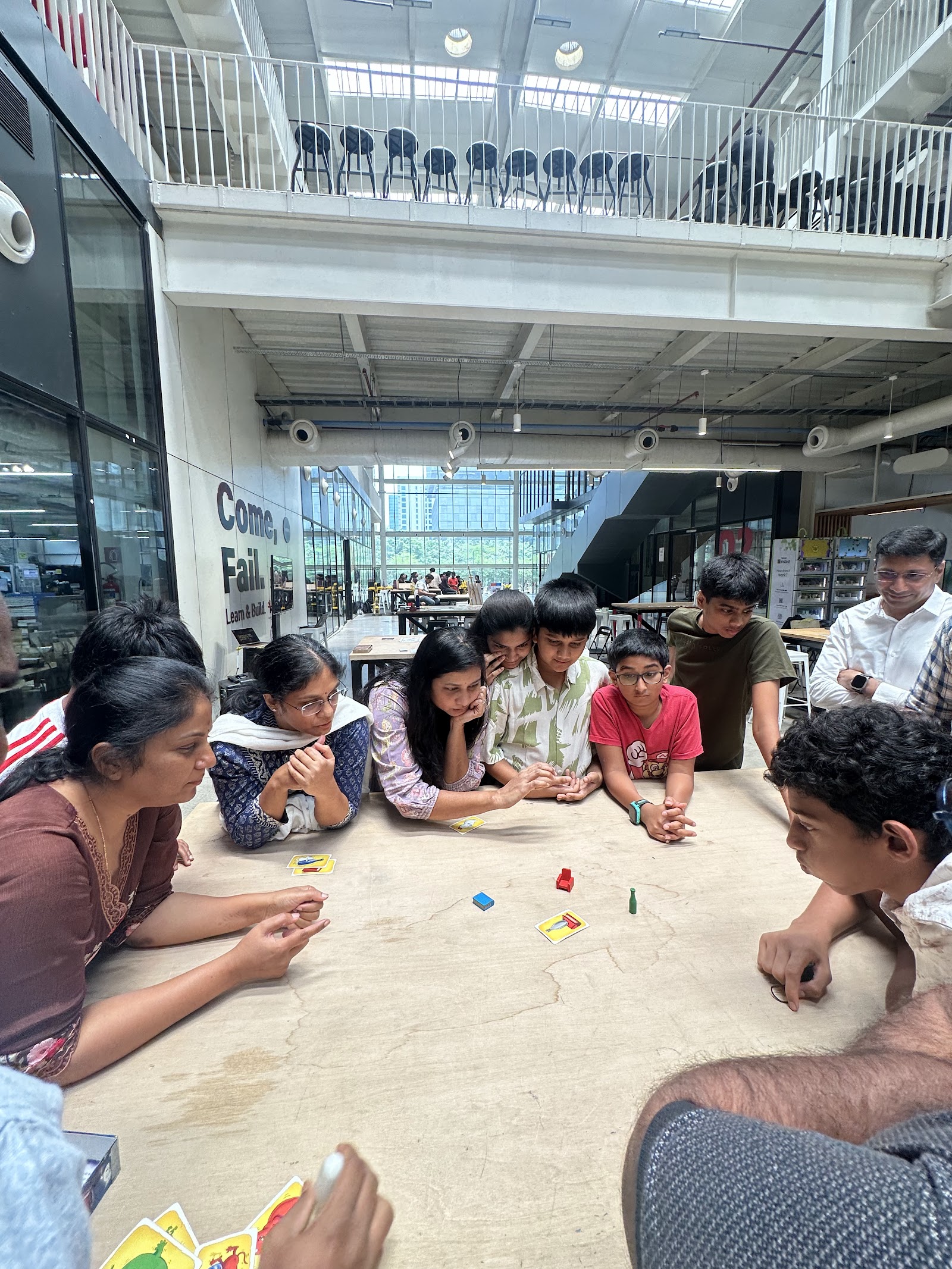
Ask them to design a board game that's actually fun to play, and suddenly they're debating whether one player has too much power, whether a rule feels fair, or why everyone keeps choosing the same strategy.
They're asking,
"What happens if we change this?"
That's systems thinking.
They just don't know that's what it's called.
Every Game Is a System
One of the first things students discover is that games aren't just entertainment.
They're systems.
Every game is made up of interconnected parts — players, rules, objectives, mechanics, resources and feedback.
Change one rule, and everything else changes too.
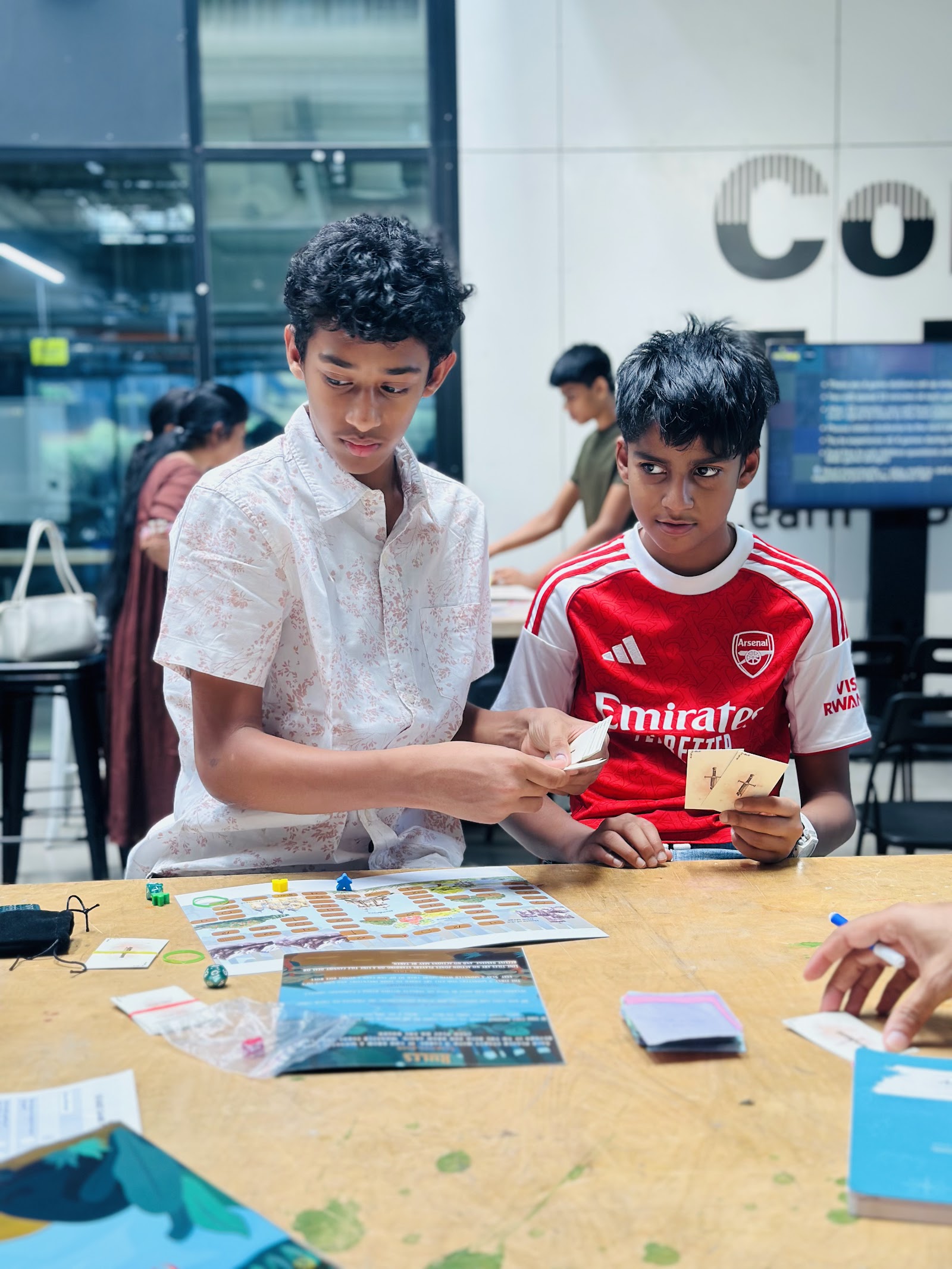
As students build and test their own games, they begin experiencing cause and effect rather than simply reading about it.
Instead of memorising systems thinking, they learn it by designing one.
Playtesting Is Where the Learning Happens
The biggest breakthroughs rarely happen while students are building.
They happen while they're watching other people play.
A game that's too easy.
A strategy that's impossible to beat.
Rules that confuse everyone.
Every playtest becomes another opportunity to ask,
"Why did that happen?"
Students make small changes, test again and watch the entire game evolve.
Without introducing complicated terminology, they begin understanding feedback loops, balance and iteration simply by improving something they've created.
More Than Just a Board Game
By the end of the workshop, students certainly leave with a board game they've designed themselves.
But they also leave with something much bigger.
They've learned to think about relationships instead of isolated parts.
To predict consequences before making decisions.
To embrace feedback instead of fearing it.
To iterate instead of expecting perfection.
Perhaps that's why board game design is such a powerful way to teach systems thinking.
Children don't just learn about systems.
They build one.
Break it.
Improve it.
And somewhere along the way, they begin asking a question that extends far beyond the game board: "If I change this, what else changes?"
Because every rule, every decision and every interaction becomes a reminder that systems are designed — not accidental.