Six boot camps.
One unforgettable school year.
Immersive, hands-on learning experiences delivered right inside your school by trained Maekido facilitators. Every program culminates in a showcase for parents, where students celebrate what they've built, created, and discovered. Schools can begin with any two boot camps and gradually explore all six.
Beginners UI/UX Design
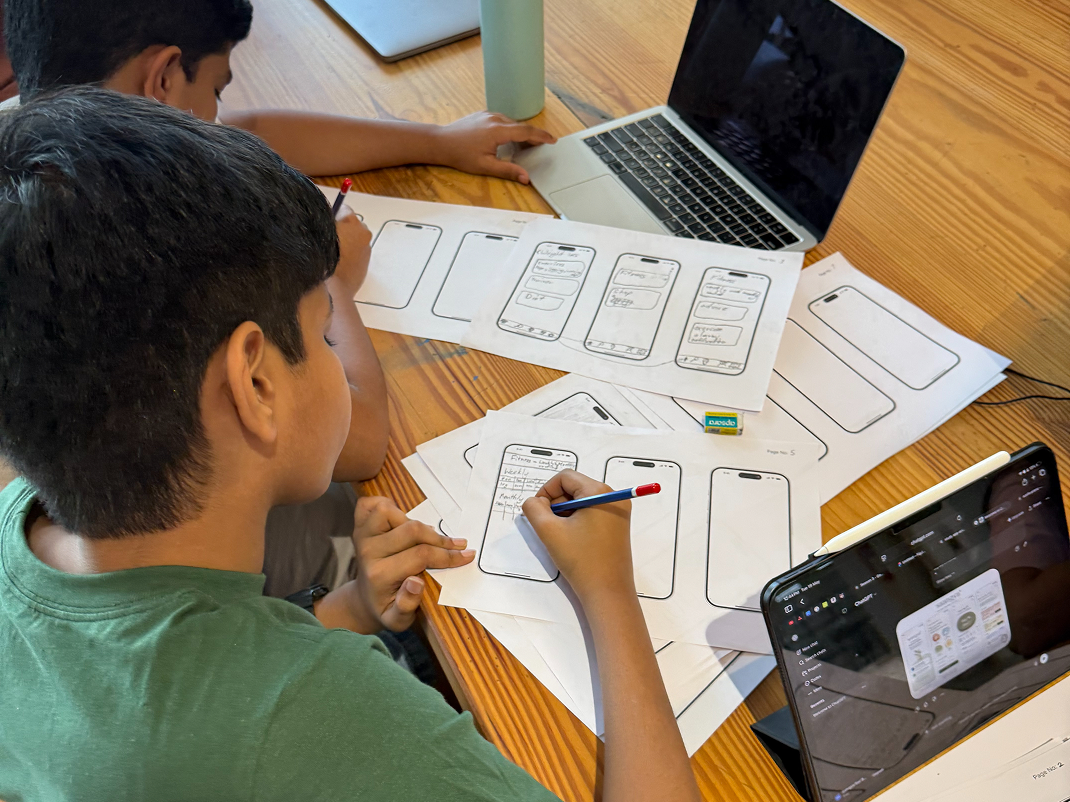
Students with zero design experience learn to think like designers — researching users, sketching wireframes, and building interactive prototypes in Figma. By the end, they present a real app design to a live audience.
- Learn design thinking & user research
- Build wireframes and user flows
- Create interactive Figma prototypes
- Present at a final showcase event
- Students leave with a portfolio
Gamers Lab · Board Game Design
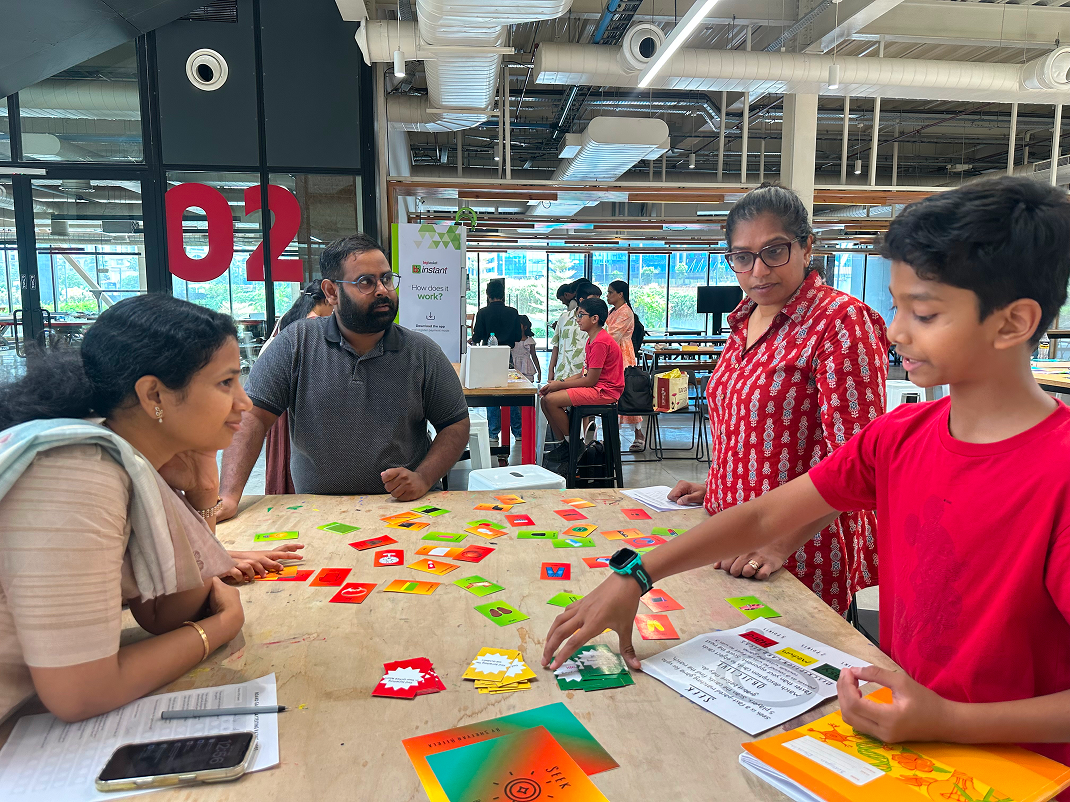
Students don't just play games — they make them. From concept to playable prototype, students design the mechanics, write the rules, and test their games with real players. This is systems thinking disguised as play.
- Develop original board game concept
- Design rules, mechanics and balance
- Create physical game prototype
- Playtest and iterate with peers
- Showcase finished game to families
Art - Cardboard Adventures
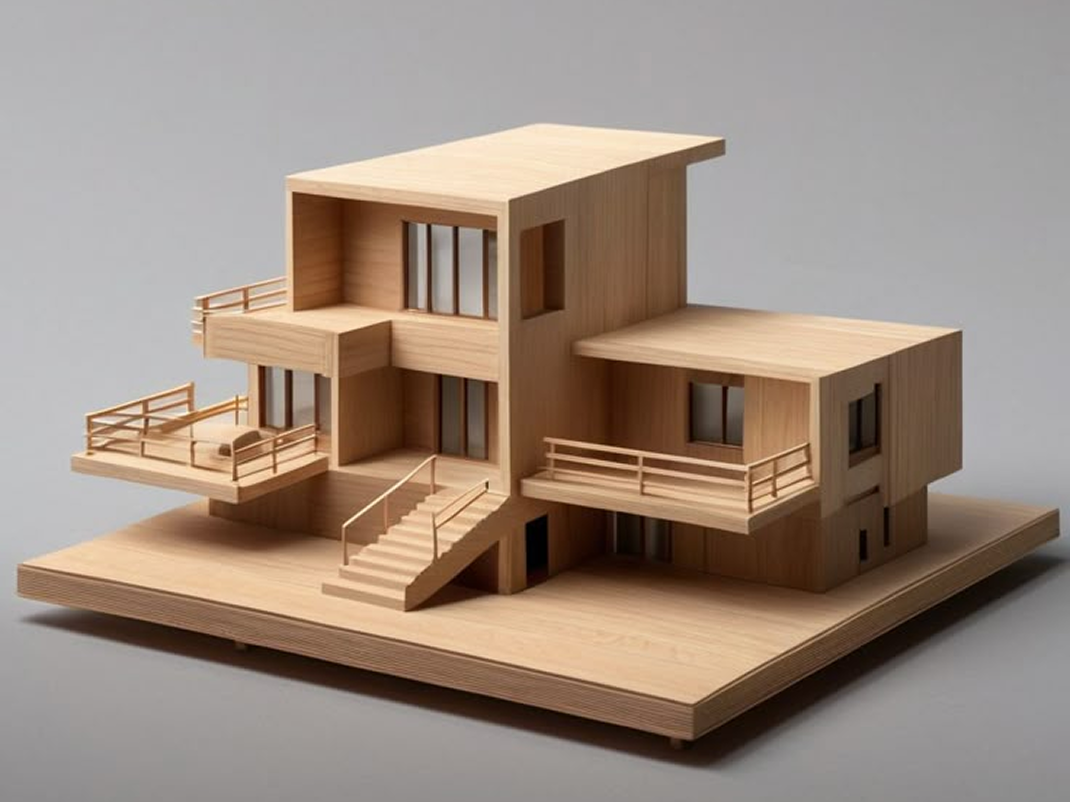
Students explore the art of building with cardboard, learning construction, attachment, connector, and sculpture techniques to transform simple sheets into imaginative 2D and 3D creations. They build like real makers.
- Learn cardboard construction, attachment, and connector techniques
- Transform 2D ideas into sturdy 3D creations and sculptures
- Develop spatial thinking, creativity, and problem-solving skills
- Showcase their creations at the end-of-program exhibition
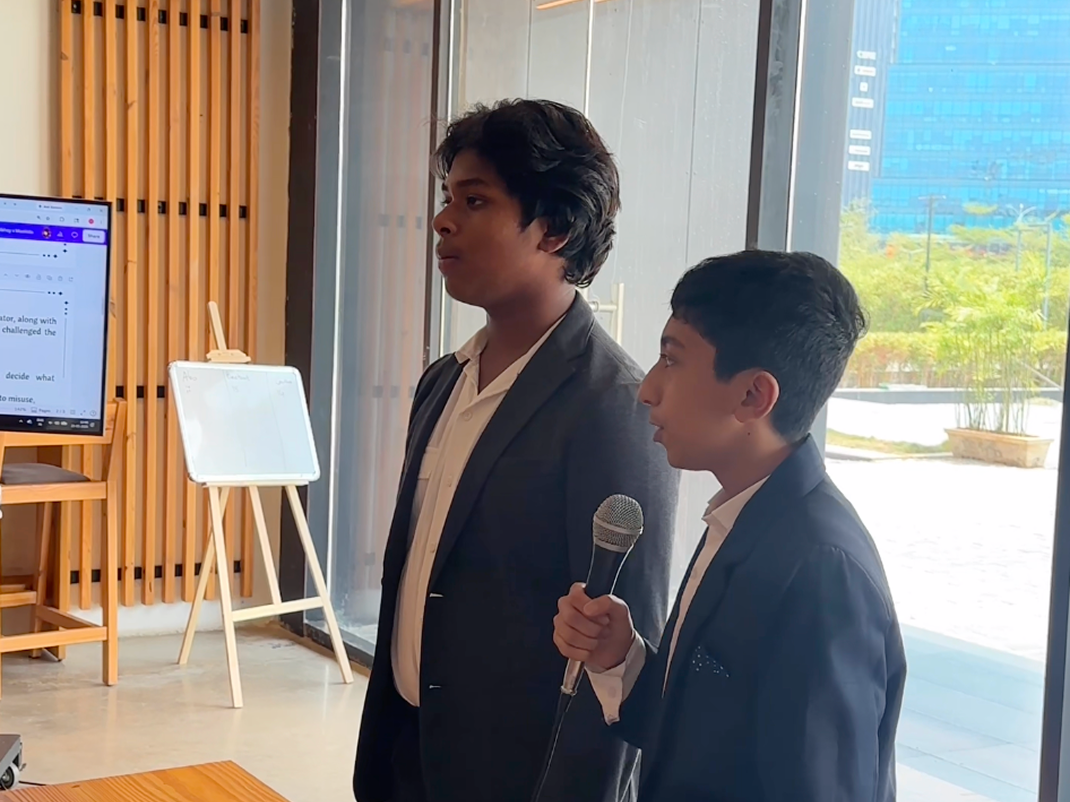
Project Abhay · Legal Literacy
Every student has rights — most don't know them. Project Abhay changes that. Project Abhay builds courage through knowledge, helping students explore India's legal system through real-world cases, debates, legal writing, and Moot Court simulations. Along the way, they develop critical thinking, advocacy, and the confidence to become informed and responsible citizens.
- Understand constitutional values, fundamental rights, and child protection laws
- Analyse real-world legal cases and contemporary issues
- Build argumentation and legal writing through legal memorandums
- Present and defend arguments in a final Moot Court simulation
Design Thinking · Social Impact
The best way to learn design thinking is by solving real problems. Students first build the foundations of human-centred design before working on authentic challenges shared by social impact organisations, NGOs and foundations. Their ideas aren't classroom exercises — they're developed for organisations working directly with communities.
- Explore the complete design thinking process
- Conduct research and build empathy for real users
- Design solutions for challenges shared by social impact organisations
- Prototype, test, and iterate with feedback
- Present final concepts with the potential for real-world impact at the showcase
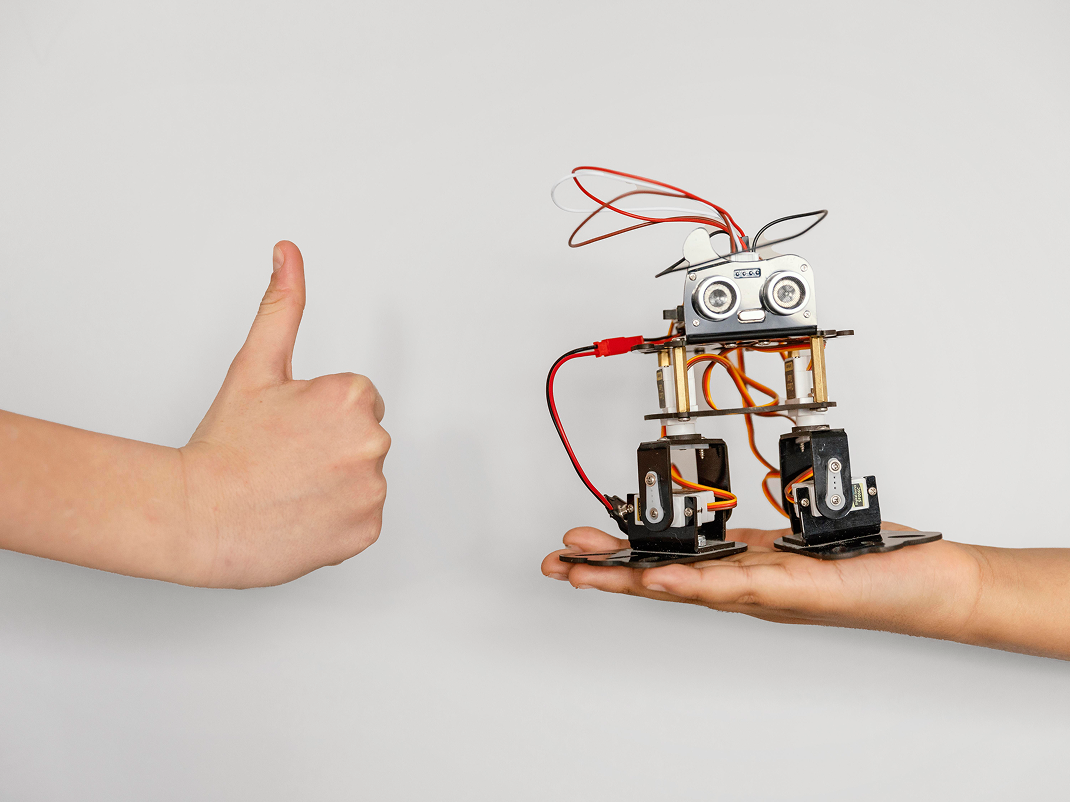
Robotics & Innovation
Technology is best understood by creating with it. Students explore coding, electronics, engineering, and innovation through hands-on challenges that encourage experimentation, problem-solving, and creative thinking.
- Explore electronics, coding, and engineering concepts
- Build logical thinking through hands-on innovation challenges
- Experiment with technology to solve real-world problems
- Develop teamwork, creativity, and problem-solving skills
- Present innovation projects at the final showcase
Simple to start.
Easy to scale across the year.
The showcase is a key parent-engagement moment — and a natural PR opportunity for your school.
How it all fits
across the school year.
 mid-Feb
Each boot camp pair runs 2 months · pairs rotate Aug–Jan · Open Challenges run monthly, Aug–Jan ·
NEXT caps off the year in mid-February as a celebration for everyone.